PDF(1512 KB)
 PDF(1512 KB)


 PDF(1512 KB)
场域共振与尺度跃迁:县域文化品牌建设的双重逻辑——以R县“村超”赛事为例
FIELD RESONANCE, SCALE TRANSITION AND THE DUAL LOGIC OF COUNTY CULTURAL BRAND: A CASE STUDY OF THE 'VILLAGE FA' EVENT IN R COUNTY
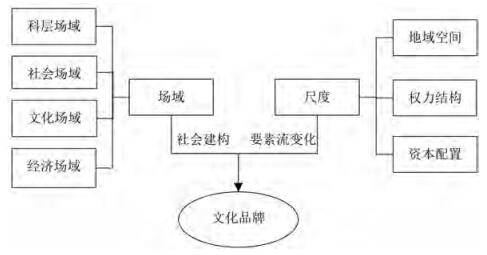
场域共振和尺度跃迁构成了县域文化品牌得以成功的双重逻辑。以R县“村超”赛事为例,在场域共振维度,文化场域一方面型塑了公众自组织行为,另一方面为地方政府选择品牌载体提供了思路。科层场域在议程吸纳的基础上对社会场域进行了行政赋能。经济场域中的市场力量激励了文化品牌的合作生产,同时也为文化品牌建设提供了组织保障。在尺度跃迁维度,“村超”赛事先后经历了由乡村尺度、地方尺度、国家尺度再到全球尺度三次跃迁。分别聚焦于地方层面的信息整合和品牌设计、中央层面的统筹规划与国家战略嵌入、全球视野下的品牌强化与战略升级。本文的贡献在于提出了针对文化品牌结构性因素的解释性框架,并基于典型案例解构了县域文化品牌建设的过程黑箱。
This study introduces a "field-scale" analytical framework to explore the intricate relationships among different fields and the evolution of political scales in the realm of county cultural branding. By examining the case of "Village FA" in R County, the research aims to unravel the underlying mechanisms that contribute to the success of cultural branding initiatives. The findings of this study highlight two main strategies: field resonance and scale transition, which constitute a dual logic that drives the success of cultural branding. Within the economic field, market entities play a crucial role in promoting the co-production of the cultural brand under the guidance of the government. They contribute to the branding process by leveraging their resources and expertise to enhance the city's image and reputation. Turning to the dimension of scale transition, the "Village FA" undergoes three scale transitions: from the village scale to the local scale, then to the national scale, and ultimately to the global scale. The initial transition from the village to the local scale focuses on the integration of local information and the design of a cultural brand that resonates with the local community. The second transition, to the national scale, involves the overall planning and strategic integration of the cultural brand within broader national strategies. Finally, the third transition to the global scale centers on the strengthening and upgrading of the cultural brand from an international perspective.
cultural brand / field / scale / village FA
| 1 |
刘彦平, 王明康. 中国城市品牌高质量发展及其影响因素研究——基于协调发展理念的视角[J]. 中国软科学, 2021(3): 73- 83.
|
| 2 |
牛耕, 何雨可, 赵国昌. 城市品牌与流动人口居留意愿: 来自"文明城市"评选的证据[J]. 人口研究, 2022, 46(6): 117- 130.
|
| 3 |
张鸿雁. 论城市形象建设与城市品牌战略创新——南京城市综合竞争力的品牌战略研究[J]. 南京社会科学, 2002(S1): 327- 338.
|
| 4 |
|
| 5 |
苑炳慧, 辜应康. 基于顾客的旅游目的地品牌资产结构维度——扎根理论的探索性研究[J]. 旅游学刊, 2015, 30(11): 87- 98.
|
| 6 |
许春晓, 莫莉萍. 旅游目的地品牌资产驱动因素模型研究——以凤凰古城为例[J]. 旅游学刊, 2014, 29(7): 77- 87.
|
| 7 |
张辉, 王诗韵, 李思婷. 旅游目的地品牌至爱: 研究进展及展望[J]. 旅游学刊, 2025, 40(6): 112- 129.
|
| 8 |
保继刚, 陈苑仪, 马凌. 旅游资源及其评价过程与机制: 技术性评价到社会建构视角[J]. 自然资源学报, 2020, 35(7): 1556- 1569.
|
| 9 |
|
| 10 |
|
| 11 |
|
| 12 |
|
| 13 |
|
| 14 |
吴晓凯, 文军. 整体性治理: 中国城市治理形态的逻辑转型及其实践反思[J]. 江苏行政学院学报, 2020(4): 64- 70.
|
| 15 |
赵宇峰. 城市治理新形态: 沟通、参与与共同体[J]. 中国行政管理, 2017(7): 61- 66.
|
| 16 |
赵静, 薛澜, 吴冠生. 敏捷思维引领城市治理转型: 对多城市治理实践的分析[J]. 中国行政管理, 2021(8): 49- 54.
|
| 17 |
|
| 18 |
|
| 19 |
刘柳. 基于"惯习"运作的治理法治化[J]. 法商研究, 2017, 34(3): 58- 67.
|
| 20 |
章文光, 李心影, 李鹏超. 基层治理中行政与自治耦合的路径——"场域—惯习"框架下J街道社会工作服务中心的实践分析[J]. 改革, 2024(2): 149- 159.
|
| 21 |
|
| 22 |
陆林, 张清源, 许艳, 等. 全球地方化视角下旅游地尺度重组——以浙江乌镇为例[J]. 地理学报, 2020, 75(2): 410- 425.
|
| 23 |
殷洁, 罗小龙. 尺度重组与地域重构: 城市与区域重构的政治经济学分析[J]. 人文地理, 2013, 28(2): 67- 73.
|
| 24 |
|
| 25 |
高端阳, 王道勇. 乡村治理中的合作场域生成——基于T市"三治融合"实践的分析[J]. 社会学评论, 2021, 9(3): 164- 180.
|
| 26 |
戈大专. 新时代中国乡村空间特征及其多尺度治理[J]. 地理学报, 2023, 78(8): 1849- 1868.
|
| 27 |
高进, 石婧玮. 基层行政飞地属地管理的空间治理——基于22个案例的扎根分析[J]. 公共管理学报, 2022, 19(3): 136-146, 175.
|
| 28 |
晏龙旭. 流空间结构性影响的理论分析[J]. 城市规划学刊, 2021(5): 32- 39.
|
| 29 |
欧阳鹏, 郭继凯, 卢庆强, 等. 多尺度流空间视角下的超大城市对外协同治理研究——以北京为例[J]. 规划师, 2022, 38(6): 41- 50.
|
| 30 |
|
| 31 |
曹冬松, 方雷. 数字时代的"网红城市": 生成形态、流量效应与治理转型——基于典型城市的案例考察[J]. 电子政务, 2025(1): 52- 64.
|
| 32 |
陈乙华, 曹劲松. 文化赋能城市的内在机理与实践路径[J]. 南京社会科学, 2020(8): 129- 137.
|
| 33 |
朱庐宁, 曹劲松. 城市微改造中文化艺术的叙事创新[J]. 南京社会科学, 2022(2): 157- 164.
|
| 34 |
张兴宇. 社会动员与信任重构: 乡村传统节日的文化治理功能[J]. 华东师范大学学报(哲学社会科学版), 2023, 55(2): 112-121, 176.
|
/
| 〈 |
|
〉 |